
Caring for a senior dog can bring both joy and heartache, especially when changes in behavior or memory start to appear.
Dementia in old dogs, also called canine cognitive dysfunction (CCD), can leave dog owners feeling confused and concerned as they watch their loyal companions struggle.
We outline the common causes of dementia in old dogs, what you can do at home, and when to seek veterinary help.
Table of Contents
Old Dog Dementia: Why It Happens
Dementia in old dogs is linked to changes in the brain associated with aging. Over time, nerve cells can degenerate, chemical signals in the brain may weaken, and circulation to the brain may decline. Together, these factors interfere with memory, learning, and recognition.
In some dogs, dementia develops slowly, while in others it progresses more rapidly. Genetics, underlying health issues, diet, and environment can all influence whether an old dog develops dementia.
Many of the symptoms overlap with other medical problems, which is why careful observation and veterinary evaluation are so important.
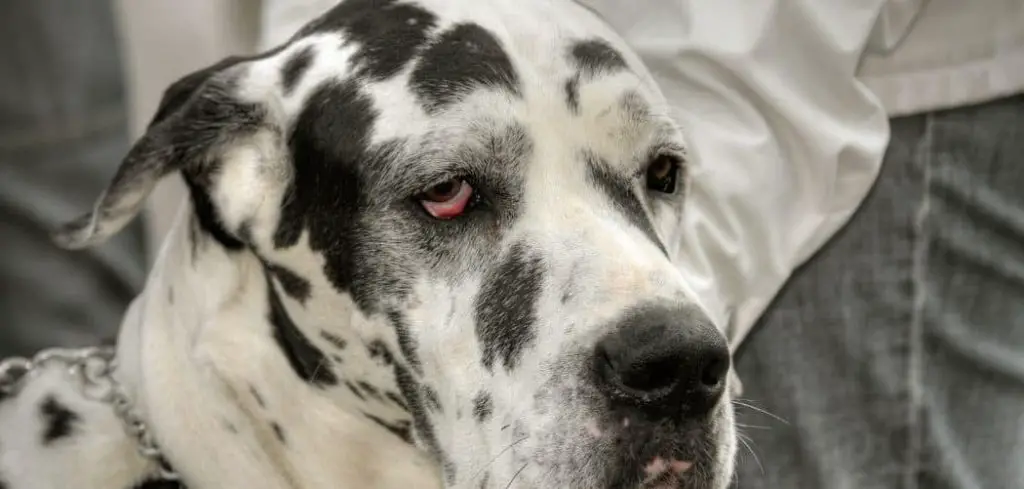
Old Dog Dementia: Common Causes
Brain Aging and Nerve Cell Decline
The most common cause of dementia in old dogs is the natural aging of the brain. As dogs grow older, neurons begin to die off, and communication between different areas of the brain becomes less efficient.
Owners may notice their dog becoming disoriented in familiar environments, forgetting simple routines, or pacing aimlessly.
These changes are not a sign of stubbornness but rather a reflection of the brain’s reduced ability to process and recall information.
This progressive decline is similar to Alzheimer’s disease in humans, and while it cannot be completely stopped, early detection and management can help slow its impact.
Read more: Old Dog Encephalitis (Explained)
Reduced Blood Flow to the Brain
Circulatory issues are another contributor to dementia in senior dogs. As blood flow decreases, the brain receives less oxygen and fewer nutrients, impairing its function.
A dog with reduced cerebral circulation may appear confused, less responsive to cues, or prone to “spacing out.”
Sometimes these dogs also have underlying conditions such as heart disease or high blood pressure that worsen the problem.
Poor circulation doesn’t just affect mental clarity — it also makes the brain more vulnerable to damage and accelerates the aging process.
Chemical and Hormonal Imbalances
The brain relies on chemical messengers like dopamine and serotonin to regulate mood, learning, and memory. In old dogs with dementia, these neurotransmitters often fall out of balance.
This imbalance can cause anxiety, changes in sleep patterns, irritability, or even depression-like symptoms in dogs.
Owners may notice their dog whining at night, wandering restlessly, or showing less interest in activities they once enjoyed.
Hormonal shifts, such as those caused by thyroid dysfunction, can worsen cognitive decline and should always be ruled out with bloodwork.
Oxidative Stress and Free Radical Damage
Over a lifetime, the brain accumulates damage from oxidative stress — a process in which unstable molecules called free radicals harm nerve cells. This damage leads to inflammation, reduced brain plasticity, and eventual cognitive decline.
Dogs affected by oxidative stress may display memory lapses, difficulty recognizing family members, or loss of house-training habits.
Veterinarians often recommend antioxidant-rich diets and supplements for old dogs with dementia, as these may help reduce further cellular damage.
Genetic Predisposition
Some breeds are more prone to cognitive decline than others, suggesting a genetic link to dementia. Breeds such as Poodles, Dachshunds, and Terriers are often reported to show symptoms earlier or more severely.
If your old dog belongs to a breed with known predisposition, it’s important to monitor them closely for behavioral changes.
Catching dementia early can make a meaningful difference in managing the disease and improving quality of life.
Underlying Medical Conditions
Sometimes dementia-like symptoms in old dogs are actually caused by other illnesses. Conditions such as brain tumors, liver disease, kidney dysfunction, or chronic pain can all mimic or worsen cognitive decline.
For example, a dog with kidney disease may show confusion and nighttime restlessness due to toxin buildup in the blood. Similarly, chronic pain from arthritis can disrupt sleep, leading to behaviors that resemble dementia.
This is why veterinary evaluation is essential — to rule out treatable causes before assuming a diagnosis of canine cognitive dysfunction.
Common Signs and Progression of Dementia in Older Dogs
Dog dementia develops gradually. In early phases, you may only notice mild forgetfulness, but as time goes on, symptoms intensify. Here’s what progression typically looks like — though every dog’s journey is unique.
Confusion and Disorientation
One of the earliest signs of dementia is disorientation. Dogs may stand in corners, get “stuck” behind furniture, or stare blankly at walls. They may forget how to navigate familiar routes, such as finding the back door or their food bowl.
This confusion can cause distress. Dogs may pace, whine, or bark because they no longer recognize their surroundings — even in their own home.
As dementia progresses, this confusion becomes constant rather than occasional. You might find your dog wandering aimlessly, appearing lost in rooms they’ve known all their life.
Changes in Sleep Patterns and Nighttime Restlessness
Sleep disruption is one of the most exhausting symptoms for both dogs and owners. Many dogs with dementia develop “sundowning”, where they become restless, anxious, or vocal during the night.
They may pace, bark, or cry for hours, unable to settle. This happens because the internal body clock that regulates sleep and wake cycles becomes disrupted.
As dementia advances, these episodes grow longer and more intense, often leading to sleepless nights for everyone in the household.
When a dog no longer sleeps peacefully or constantly experiences nighttime distress, it can be a key indicator that their quality of life is diminishing.
Loss of Housetraining
A well-trained dog suddenly forgetting where to eliminate is another hallmark sign of cognitive decline.
In the early stages, this might happen occasionally, but later, dogs may urinate or defecate indoors frequently — even right after going outside.
This isn’t disobedience; it’s neurological confusion. They may not remember the command, location, or even the physical sensation of needing to go.
For many families, this symptom becomes particularly challenging, especially when combined with mobility issues or incontinence. It often adds emotional strain and signals that the disease is progressing.
Anxiety, Fear, and Behavior Changes
Dogs with dementia often seem more anxious or fearful. They may no longer recognize familiar people or pets and might even growl or snap out of confusion.
Some dogs become clingy, following their owners constantly; others withdraw, avoiding touch or interaction altogether.
In advanced dementia, dogs may stop responding to their name, forget commands, or lose interest in toys, walks, or food.
These personality changes can be heartbreaking. The loving, happy companion you once knew may seem to vanish — replaced by a fearful, restless version of themselves.
Loss of Appetite and Weight Loss
As dementia progresses, appetite often decreases. Dogs may forget to eat, walk away from food, or appear disinterested in meals they once loved.
Sometimes this is due to confusion — they simply forget what food is for. Other times, neurological decline affects smell and taste, making eating less appealing.
Weight loss, dehydration, and weakness follow, which can quickly worsen their overall condition.
If your senior dog stops eating regularly despite veterinary support, it may signal that their body and mind are shutting down.
Accidents, Injuries, and Lack of Coordination
Cognitive decline can impair spatial awareness and motor control. Dogs may trip over objects, fall on stairs, or get trapped behind furniture.
In severe cases, they can injure themselves or develop anxiety from these repeated accidents.
When a dog begins to lose the ability to move safely through daily life, their sense of security and comfort declines — a major factor when evaluating end-of-life decisions.
What to Do If Your Old Dog Is Showing Signs of Dementia
If you suspect dementia in your senior dog, there are steps you can take at home to support them.
First, try to keep your dog’s routine consistent. Feeding, walks, and bedtime should happen at the same times each day to reduce confusion. Predictability is comforting to dogs with dementia.
Second, provide plenty of mental and physical stimulation, but at a gentle pace. Short walks, puzzle toys, and simple training exercises can keep their brain active without overwhelming them.
Third, make your home easier to navigate. Night lights, non-slip rugs, and blocked-off stairways can prevent accidents. Dogs with dementia often become disoriented, so a safe environment is key.
Finally, consider diet and supplements. Foods enriched with antioxidants, omega-3 fatty acids, and certain vitamins may help protect brain function. Always consult your vet before starting new supplements.
When to Call or Visit Your Veterinarian
While some forgetfulness and confusion may seem like normal aging, there are times when veterinary attention is essential.
If your dog suddenly shows severe disorientation, such as getting stuck in corners or not recognizing family members, schedule an exam. Rapid changes can point to other neurological problems.
Dogs that stop eating, become incontinent, or develop major sleep disturbances also need medical attention. These signs may indicate either advanced dementia or another health condition requiring treatment.
If your dog’s anxiety, whining, or nighttime restlessness becomes overwhelming for you or distressing for them, your vet can recommend medications or therapies to help.
Most importantly, seek veterinary guidance if your dog’s quality of life declines significantly. While dementia cannot be cured, compassionate care and medical support can make your dog’s senior years more comfortable.
When Dementia Reaches the Final Stages
End-stage dementia in dogs is characterized by constant confusion, anxiety, incontinence, and loss of basic recognition.
Your dog may no longer know who you are, where they are, or what’s happening around them. They might wander without purpose, refuse to eat or drink, and struggle to rest.
At this stage, quality of life is significantly compromised. The world becomes frightening and disorienting for your pet.
While medications like selegiline (Anipryl) or supplements (like omega-3s and antioxidants) can help early on, they rarely offer relief in late-stage dementia.
This is the point where love must shift from prolonging life to preserving dignity and preventing suffering.
Read more: Old Dog Vestibular Disease (Explained)
Assessing Your Dog’s Quality of Life
Deciding when to say goodbye is agonizing. Most pet owners want reassurance that they’re doing the right thing. One helpful tool is the Quality of Life Scale, developed by veterinarians to measure comfort, happiness, and function in aging or ill pets.
Ask yourself these guiding questions:
Does my dog still experience joy (through walks, meals, affection)?
Can they rest comfortably without confusion or fear?
Are they eating and drinking regularly?
Can they eliminate without distress or frequent accidents?
Are pain, anxiety, or restlessness present most of the time?
When the “bad days” far outweigh the good, it’s often a sign your dog’s suffering outweighs their quality of life.
Some owners keep a daily journal tracking their dog’s behavior, appetite, and sleep. This helps visualize gradual decline that can otherwise be hard to see day-to-day.
The Emotional and Ethical Side of Euthanasia
No matter how rational the decision, it always feels wrong to consider euthanasia for a beloved companion. Yet in truth, choosing euthanasia is one of the greatest acts of love and selflessness a pet parent can make.
Dog dementia doesn’t cause sudden pain like an injury — it causes ongoing confusion and emotional suffering. Your dog can’t tell you they’re scared or lost; they just live it, every day.
When medication, environmental adjustments, and care no longer provide relief, euthanasia allows your dog to pass peacefully, free from fear.
Veterinarians often describe it as a gift — the ability to end suffering humanely rather than letting it escalate.
If your heart feels torn between hope and guilt, remember: letting go with love is not giving up — it’s granting peace.
When It Might Be Time to Let Go
Every dog and situation is unique, but there are consistent indicators that dementia has reached a point where euthanasia should be gently considered.
Persistent Distress and Confusion
If your dog seems lost or anxious nearly all the time — pacing endlessly, crying at walls, or appearing frightened — their mental suffering may be constant.
When confusion becomes their default state rather than occasional, their daily life has likely lost meaning or comfort.
Loss of Recognition and Connection
One of the hardest signs for owners is when a dog no longer recognizes them.
In the advanced stages of dementia, your dog might not respond to your voice, touch, or presence. They may appear detached or indifferent, as though the bond you once shared has faded.
If your dog no longer finds comfort in the people they loved most, their world has become painfully small and confusing.
Complete Loss of House Training
Incontinence is common in dementia, but when it becomes constant and unmanageable, it deeply affects both the dog’s dignity and the household’s wellbeing.
Your dog may soil themselves or their bedding repeatedly, causing skin irritation and distress. Despite your care, their confusion prevents improvement.
When this stage arrives, it often marks a significant drop in quality of life.
Refusal to Eat or Drink
Loss of appetite is a clear indicator of decline. If your dog refuses food consistently, even favorite treats, it may be due to confusion, nausea, or simple disinterest in living.
Dehydration, weakness, and organ strain quickly follow. This physical suffering often means your dog’s body is preparing for the end.
Frequent Restlessness or Sleeplessness
Dogs with end-stage dementia may sleep only in short bursts or not at all. They pace for hours, pant, or bark into the night, unable to settle.
When restlessness replaces rest — for days or weeks — it’s a clear sign of distress that medication or comfort measures can no longer ease.
Preparing for Euthanasia: What to Expect
Once you’ve made the decision, your vet will walk you through the process. Euthanasia is peaceful and painless.
You can choose to have it performed at the clinic or at home — many families prefer home visits so their dog can pass surrounded by familiar sights and smells.
The vet will first administer a sedative to relax your dog deeply. Then a second injection gently stops the heart. Your dog won’t feel pain; they’ll drift off as if falling asleep.
You can hold, comfort, and speak to your dog throughout the process. Some owners find solace in playing calming music, wrapping their pet in a favorite blanket, or whispering loving words.
Afterward, you may choose cremation, burial, or memorial keepsakes like paw prints or fur clippings.
The process is emotional but peaceful — a final act of love and dignity.
Grieving After Letting Go
Grief after euthanasia is profound. It can include sadness, guilt, or even relief — all of which are normal.
Remind yourself that your decision was an act of compassion, not betrayal. You chose peace for your companion when they could no longer find it themselves.
Creating a memorial, writing a letter, or planting a tree in your dog’s honor can help you channel your love into remembrance.
For many owners, connecting with pet loss support groups or counselors provides valuable comfort during the healing process.
Time doesn’t erase the pain, but it transforms it — allowing gratitude and love to replace sorrow.
FAQs About Dog Dementia and Euthanasia
1. How do I know my dog with dementia is suffering?
Persistent confusion, anxiety, sleeplessness, or fear are key indicators. If your dog rarely experiences calm or joy, they are likely suffering emotionally.
2. Can dogs recover from dementia?
No. Dementia is progressive and irreversible. However, early stages can be managed to maintain comfort and quality of life.
3. Should I feel guilty about euthanizing my dog?
Absolutely not. Euthanasia spares your dog further fear and suffering. It’s an expression of unconditional love.
4. What if I’m not ready but my dog is declining fast?
Talk openly with your vet. They can help you assess your dog’s condition objectively and ensure you don’t prolong suffering unintentionally.
5. Can medication or supplements delay the need for euthanasia?
In early dementia, yes. Treatments like selegiline, SAMe, and enriched diets can help temporarily. But in late stages, they provide limited relief.
Key Takeaway
Dementia in old dogs is a heartbreaking but manageable condition. It arises from brain aging, poor circulation, chemical imbalances, oxidative damage, genetics, or other illnesses that mimic cognitive decline.
When facing old dog dementia and deciding when to put down, the truth is painful yet clear: you are not ending their life — you are ending their suffering.
Your senior dog has given you years of loyalty, laughter, and unconditional love. When their world becomes dark and confusing, your final gift is peace and release.
It’s not about choosing death; it’s about choosing dignity.
Trust your heart, lean on your vet’s guidance, and remember that love doesn’t end when they pass — it simply changes form, living forever in the memories you shared.